
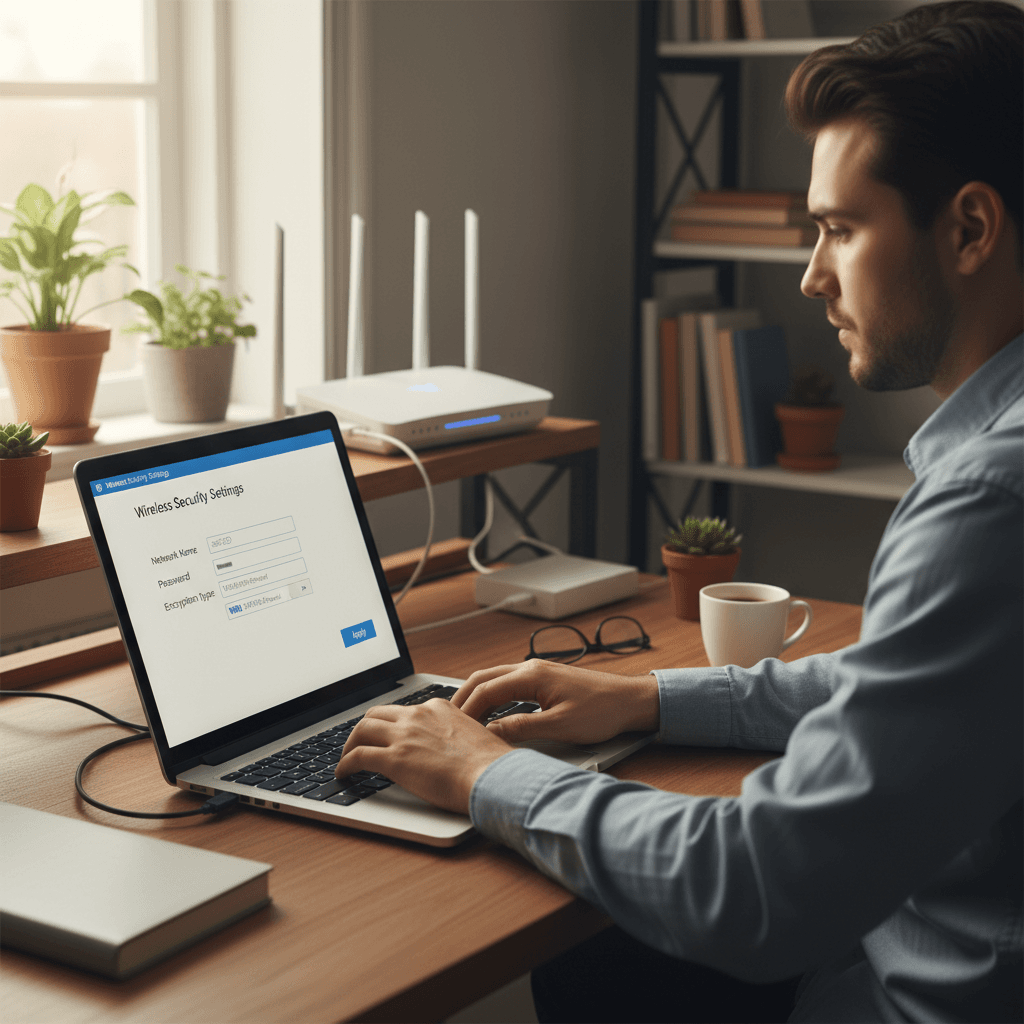
How to Fix Using Default Admin Username and Password on Your Router
Using your router's default admin credentials is a major security risk that leaves your network wide open to attackers - here's how to change it.
What's Happening
You're still using the default admin username and password that came with your router (usually "admin/admin" or "admin/password"). This is one of the most dangerous security mistakes you can make with your home network. Hackers have lists of every default router password ever made, and they actively scan for vulnerable routers. The good news? Changing it takes less than five minutes.
Quick Checks (Do These First)
- Check the router label. Look for the default credentials printed on a sticker on the bottom or back of your router.
- Can you log in with "admin/admin"? If yes, you're using defaults and need to change them immediately.
- Know your router's IP address. Usually 192.168.1.1 or 192.168.0.1 - you'll need this to access settings.
- Have your Wi-Fi password handy. You won't lose internet connection, but it's good to have just in case.
Step-by-Step Fixes
Fix 1: Change Your Router Admin Password (Most Common)
- Open a web browser and type your router's IP address in the address bar (try
192.168.1.1or192.168.0.1) - Log in with your current admin credentials (the default ones you're trying to replace)
- Look for Administration, Management, or System settings in the menu
- Find Change Password, Admin Password, or Router Password
- Enter a strong new password - at least 12 characters with letters, numbers, and symbols
- Save your changes and write down the new password in a safe place
Important: This is your router admin password, not your Wi-Fi password. They're different things.
Fix 2: Change Both Username and Password (If Supported)
- Access your router settings the same way as Fix 1
- Navigate to Administration or Advanced Settings
- Look for options to change both username and password
- Change the username from "admin" to something unique (like "homeadmin" or your name)
- Set a strong password as described above
- Save changes and test by logging out and back in with new credentials
Not all routers let you change the username, but if yours does, definitely do it - it adds another layer of security.
Fix 3: Enable Additional Security Features While You're There
- While in your router's admin panel, look for Remote Management or Remote Access
- Make sure it's disabled unless you specifically need it - this prevents attacks from outside your network
- Check for UPnP (Universal Plug and Play) and consider disabling it for better security
- Look for a Firewall section and make sure it's enabled
- Save all changes and reboot your router if prompted
If Nothing Worked
If you can't access your router's admin panel, try these: (1) Make sure you're connected to your network via Wi-Fi or ethernet. (2) Try other common router IPs: 192.168.2.1, 10.0.0.1, or 192.168.100.1. (3) Check your router manufacturer's website for the exact default IP and credentials. (4) If you changed the password before and forgot it, you may need to factory reset the router - but that will reset everything.
When to Call a Pro
If you've factory reset your router and need help reconfiguring all your settings, or if you want someone to audit your entire network security, that's when professional help makes sense. Setting up router security properly is important, and it's worth getting it right.
Need Professional Help?
If you're in the Tampa Bay area and need hands-on assistance with your router security, Geeks in Sneaks provides friendly, on-site tech support in Clearwater, Clearwater Beach, and Dunedin.
Related Topics
Need Professional Help?
If you're still having trouble, our expert technicians can help.
Learn about our network repair serviceMore Router & WiFi Fixes
See all Router & WiFi fixes →Business-Grade vs Consumer Routers for Home Use
Considering a business-grade router for your home? Find out if the premium price delivers real benefits for residential use.
Buying Used or Refurbished Routers: Safe or Risky?
Tempted to save money with a used router? Learn the real security risks and when buying secondhand is safe versus when it's dangerous.
How Long Should a Router Last? When to Replace Yours
Your router is a few years old and you're wondering if it's time to replace it. Learn the typical lifespan and warning signs it's failing.
Gaming Routers: Real Benefits vs Marketing Hype
Wondering if a gaming router is worth the premium price? We separate the real performance benefits from marketing gimmicks.
Renting ISP Equipment vs Buying Your Own: Real Cost Comparison
Paying monthly rental fees for your modem and router? Find out how much you could save by buying your own equipment.
Matching Router Capabilities to Your Internet Speed Tier
Have gigabit internet but not getting those speeds? Your router might be the bottleneck. Learn how to match equipment to your plan.
When to Move from Single Router to Mesh WiFi System
Dead zones and weak WiFi in parts of your home? Find out if it's time to upgrade from a traditional router to a mesh system.
Dual-Band vs Tri-Band Router: Who Actually Needs It?
Wondering if a tri-band router is worth the extra cost? We'll break down the real differences and help you decide what's right for your home.